Quick & Delicious Korean Ramen Beef for Busy Families
|
Getting your Trinity Audio player ready...
|
Last Tuesday, my youngest daughter burst through the door after soccer practice, absolutely ravenous. She spotted the instant ramen packets in our pantry and begged for a quick dinner. Instead of just boiling noodles, I decided to transform those humble packets into something extraordinary.
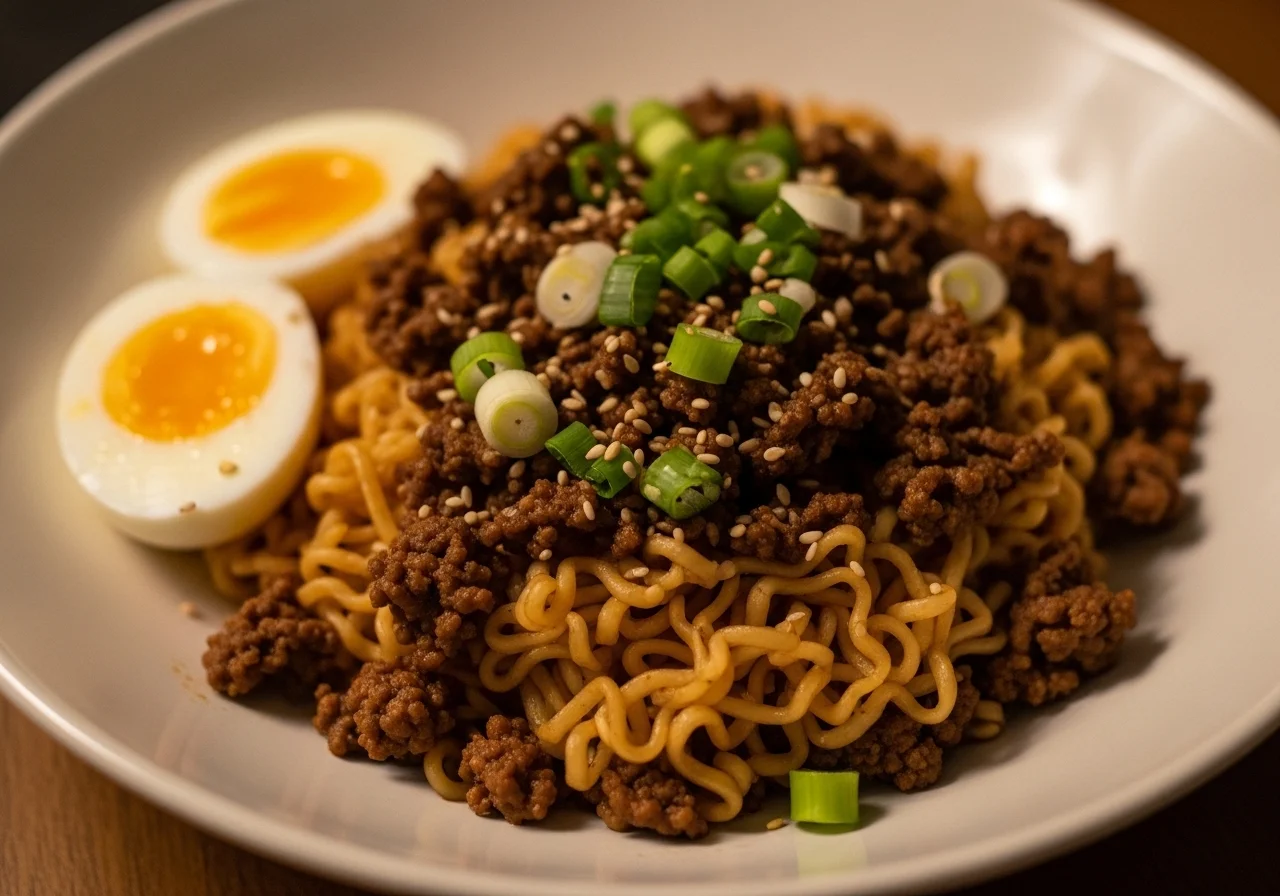
I grabbed some ground beef from the fridge, tossed in vegetables, and created what has now become our family’s favorite weeknight meal: Korean ramen beef. Mateo watched me work and added his own chef’s touch with a perfectly soft-boiled egg on top. Now, both girls request this Korean ramen beef dish at least twice a week, and honestly, I don’t blame them one bit.
This Korean ramen beef recipe combines savory ground beef, tender ramen noodles, and bold Korean-inspired flavors into one spectacular bowl. The beauty lies in its simplicity, you’ll have dinner ready in under 20 minutes. Furthermore, this Korean ramen beef transforms basic pantry staples into restaurant-quality comfort food that everyone devours.
Why You’ll Love This Korean Ramen Beef
This Korean ramen beef recipe checks every box for busy families. First, it takes less than 20 minutes from start to finish. Additionally, you probably already have most ingredients in your kitchen right now. The Korean ramen beef delivers incredible flavor without requiring specialty ingredients or advanced cooking skills.
Moreover, this dish offers amazing versatility. You can customize the spice level, add extra vegetables, or adjust the protein amount based on your preferences. My 19-year-old loves extra heat, while my 15-year-old prefers a milder version. This Korean ramen beef accommodates everyone beautifully.
The cost factor matters too. This Korean ramen beef feeds four people for under $12. Consequently, it’s perfect for budget-conscious families who refuse to sacrifice flavor. Mateo appreciates how this recipe elevates simple ingredients into something truly special.
Ingredients You’ll Need
| Ingredient | Amount |
|---|---|
| Instant ramen noodles | 4 packages |
| Ground beef | 1 pound |
| Garlic, minced | 4 cloves |
| Fresh ginger, grated | 1 tablespoon |
| Soy sauce | 3 tablespoons |
| Sesame oil | 2 tablespoons |
| Gochugaru (Korean chili flakes) | 1-2 teaspoons |
| Brown sugar | 1 tablespoon |
| Green onions, sliced | 4 stalks |
| Spinach or bok choy | 2 cups |
| Eggs | 4 large |
| Sesame seeds | For garnish |
This Korean ramen beef relies on simple ingredients that deliver maximum impact. The ramen noodles form the foundation, while the ground beef provides satisfying protein. Meanwhile, the aromatics and seasonings create that addictive Korean-inspired flavor profile.
Substitutions & Variations
This Korean ramen beef adapts easily to different dietary needs and preferences. Ground turkey or chicken works wonderfully instead of beef. Similarly, plant-based ground meat creates a delicious vegetarian Korean ramen beef option.
For the noodles, try fresh ramen if available. However, dried udon noodles or rice noodles also work well. If you avoid instant ramen, use any Asian noodles you prefer in this Korean ramen beef.
Vegetable variations expand the nutritional value. Add mushrooms, bell peppers, or snap peas. Mateo sometimes includes shredded carrots and bean sprouts in our Korean ramen beef for extra crunch and color.
Adjust the heat level by increasing or decreasing the gochugaru. Alternatively, add sriracha or gochujang paste for different spice dimensions. This flexibility makes Korean ramen beef perfect for mixed spice preferences.
Step-by-Step Instructions
Start by bringing a large pot of water to boil for the eggs and noodles. Meanwhile, heat a large skillet over medium-high heat. Add the ground beef and break it into small pieces with a wooden spoon.
Cook the beef until browned, approximately 5-6 minutes. Drain excess fat if necessary. Next, add minced garlic and grated ginger to the Korean ramen beef. Stir constantly for about 30 seconds until fragrant.
Add soy sauce, sesame oil, gochugaru, and brown sugar to the skillet. Stir everything together, coating the beef completely. The sauce should bubble and thicken slightly. This step builds the signature Korean ramen beef flavor.
While the beef cooks, carefully lower eggs into the boiling water. Cook for exactly 6 minutes for soft-boiled perfection. Immediately transfer eggs to an ice bath. This timing creates those beautiful jammy yolks that make Korean ramen beef extra special.
Add ramen noodles to the same boiling water. Cook according to package directions, usually 3-4 minutes. During the last minute, toss in your spinach or bok choy. Drain everything together.
Divide the cooked noodles and greens among four bowls. Top each portion with the seasoned Korean ramen beef mixture. Peel the soft-boiled eggs carefully and slice them in half. Place one egg on each Korean ramen beef bowl.
Garnish generously with sliced green onions and sesame seeds. Drizzle a bit more sesame oil if desired. Your Korean ramen beef is now ready to serve.
Pro Tips for Success
Don’t overcook the beef. Keep some texture for the best Korean ramen beef experience. Mateo always says that slightly chunky beef creates better mouthfeel than completely broken-down meat.
Furthermore, prepare all ingredients before you start cooking. This Korean ramen beef comes together quickly, so having everything ready prevents burning or overcooking.
Use fresh garlic and ginger whenever possible. The aromatic punch they provide elevates Korean ramen beef from good to exceptional. Pre-minced versions work in a pinch, but fresh tastes noticeably better.
Save one ramen seasoning packet to add to the beef mixture. This trick intensifies the Korean ramen beef flavor without requiring extra ingredients. However, taste first since these packets contain significant sodium.
Don’t skip the ice bath for eggs. This step stops cooking immediately, ensuring perfect jammy yolks every time. Additionally, chilled eggs peel much easier than warm ones.
Serve the Korean ramen beef immediately after assembly. The noodles absorb liquid quickly, so freshly prepared bowls taste best. If feeding a crowd, keep components separate until serving time.
Storage & Reheating Tips
Store leftover Korean ramen beef components separately for best results. Keep the cooked beef mixture in an airtight container in the refrigerator for up to 3 days. Store noodles separately, as they become mushy when mixed with sauce.
Refrigerate soft-boiled eggs in their shells for up to 2 days. Peel them just before serving for optimal texture. Alternatively, prepare fresh eggs when reheating Korean ramen beef for better presentation.
To reheat, warm the beef mixture in a skillet over medium heat. Add a splash of water or broth if needed. Cook fresh noodles or reheat refrigerated ones in boiling water for 30 seconds.
Honestly, this Korean ramen beef tastes best fresh. However, the seasoned beef mixture actually develops deeper flavor overnight. Therefore, you can prep the beef ahead and assemble fresh Korean ramen beef bowls quickly during the week.
Freeze the cooked, seasoned beef for up to 2 months. Thaw overnight in the refrigerator before reheating. This makes Korean ramen beef an excellent meal prep option for busy families like ours.
What to Serve With This Recipe
This Korean ramen beef serves as a complete meal on its own. However, some simple sides enhance the experience beautifully. Mateo often prepares quick pickled cucumbers with rice vinegar and sugar. The tangy crunch contrasts perfectly with rich Korean ramen beef.
Kimchi makes an obvious pairing. The fermented, spicy cabbage adds authentic Korean flavor and beneficial probiotics. My oldest daughter always adds a generous scoop of kimchi to her Korean ramen beef bowl.
For larger gatherings, serve Korean ramen beef alongside vegetable dumplings or spring rolls. These appetizers stretch the meal while maintaining the Asian flavor theme. Additionally, they’re fun for the girls to help prepare.
A simple cucumber salad dressed with sesame oil, rice vinegar, and chili flakes complements Korean ramen beef nicely. The cool, crisp vegetables balance the warm, savory noodles perfectly.
Beverage-wise, iced green tea or barley tea works wonderfully. For adults, a light beer or crisp white wine pairs well with Korean ramen beef. Our family typically enjoys sparkling water with lemon.
FAQs
Can I make Korean ramen beef spicier?
Absolutely! Increase the gochugaru amount or add gochujang paste to your Korean ramen beef. Additionally, fresh sliced chili peppers or sriracha work well. Start small and adjust to your preferred heat level.
What type of ramen noodles work best?
Any instant ramen works for Korean ramen beef. However, fresh ramen noodles from the refrigerated section taste even better. Korean brands like Shin Ramyun or Nongshim provide authentic flavor for this Korean ramen beef recipe.
Can I use a different protein?
Definitely! Ground pork, chicken, or turkey all work beautifully in Korean ramen beef. Plant-based ground meat also succeeds. Even thinly sliced steak or pork creates a delicious variation of Korean ramen beef.
How do I get perfect soft-boiled eggs every time?
Boil water first, then gently lower room-temperature eggs into the pot. Cook exactly 6 minutes for jammy yolks. Immediately transfer to ice water. This method ensures perfect eggs for your Korean ramen beef consistently.
Is Korean ramen beef kid-friendly?
Yes! Adjust the spice level to suit young palates. My 15-year-old loves mild Korean ramen beef, while my 19-year-old prefers it spicy. The recipe easily accommodates different preferences within the same meal.
Nutrition Information (per serving)
| Nutrient | Amount |
|---|---|
| Calories | 520 |
| Protein | 32g |
| Carbohydrates | 48g |
| Fat | 22g |
| Saturated Fat | 7g |
| Fiber | 3g |
| Sodium | 1240mg |
| Sugar | 5g |
This Korean ramen beef provides substantial protein and energy. The dish contains vegetables that add fiber and nutrients. However, watch sodium levels, especially if using ramen seasoning packets. Consider reducing added salt elsewhere in your daily meals when enjoying Korean ramen beef.
korean ramen beef
Ingredients
Method
- Bring a large pot of water to boil for the eggs and noodles.
- Heat a large skillet over medium-high heat and add the ground beef, breaking it into small pieces.
- Cook the beef until browned, about 5-6 minutes, and drain excess fat if necessary.
- Add minced garlic and grated ginger to the skillet and stir for about 30 seconds until fragrant.
- Add soy sauce, sesame oil, gochugaru, and brown sugar to the skillet, stirring to coat the beef.
- While the beef cooks, lower eggs into the boiling water and cook for exactly 6 minutes.
- Transfer eggs to an ice bath to stop cooking.
- Add ramen noodles to the boiling water and cook according to package directions, adding spinach or bok choy in the last minute.
- Drain noodles and greens, then divide among four bowls.
- Top each bowl with the seasoned beef mixture and a soft-boiled egg, sliced in half.
- Garnish with sliced green onions and sesame seeds, and drizzle with more sesame oil if desired.
Notes
Or browse by category:
As an Amazon Associate I earn from qualifying purchases.