Yakisoba Sauce: Easy Homemade Recipe!
|
Getting your Trinity Audio player ready...
|
Last Tuesday evening, my youngest daughter came home from school absolutely raving about the yakisoba she’d tried at a friend’s house. Her eyes lit up as she described the savory-sweet noodles, and I knew instantly what our next kitchen project would be. Mateo and I have always believed that the secret to amazing Japanese stir-fried noodles lies in one thing: the sauce.
That’s when I started perfecting my Homemade Yakisoba Sauce, and honestly, it’s become a weekly staple in our home. Making your own yakisoba sauce transforms ordinary noodles into something extraordinary, and the best part? You probably have most ingredients sitting in your pantry right now.
This Homemade Yakisoba Sauce captures that perfect balance of tangy, sweet, and umami flavors that makes Japanese street food so irresistible. Unlike store-bought versions packed with preservatives, this homemade version gives you complete control over every ingredient. My 19-year-old now requests it for her meal prep, and even Mateo, with his chef’s critical palate, admits this sauce rivals anything we’ve tasted at restaurants.
Why You’ll Love This Homemade Yakisoba Sauce Recipe
Creating your own Homemade Yakisoba Sauce offers incredible advantages over store-bought alternatives. First, you control the sodium levels and avoid unnecessary additives. Additionally, this recipe comes together in just five minutes, making it perfect for busy weeknight dinners.
The versatility of this Homemade Yakisoba Sauce never ceases to amaze me. Beyond traditional noodles, we’ve used it as a marinade for chicken, a glaze for vegetables, and even a dipping sauce for dumplings. Furthermore, the cost savings are substantial, one batch costs less than half a bottle of store-bought sauce.
My family loves how this sauce delivers authentic Japanese flavors without requiring specialty store trips. Moreover, the recipe scales beautifully whether you’re cooking for two or hosting a crowd. The depth of flavor in this Homemade Yakisoba Sauce comes from the perfect combination of Worcestershire sauce, soy sauce, and a touch of sweetness.
This sauce also keeps beautifully in the refrigerator, meaning you can make a double batch and have it ready whenever a yakisoba craving strikes. Consequently, weeknight dinners become infinitely easier when this flavor-packed sauce awaits in your fridge.
Ingredients You’ll Need
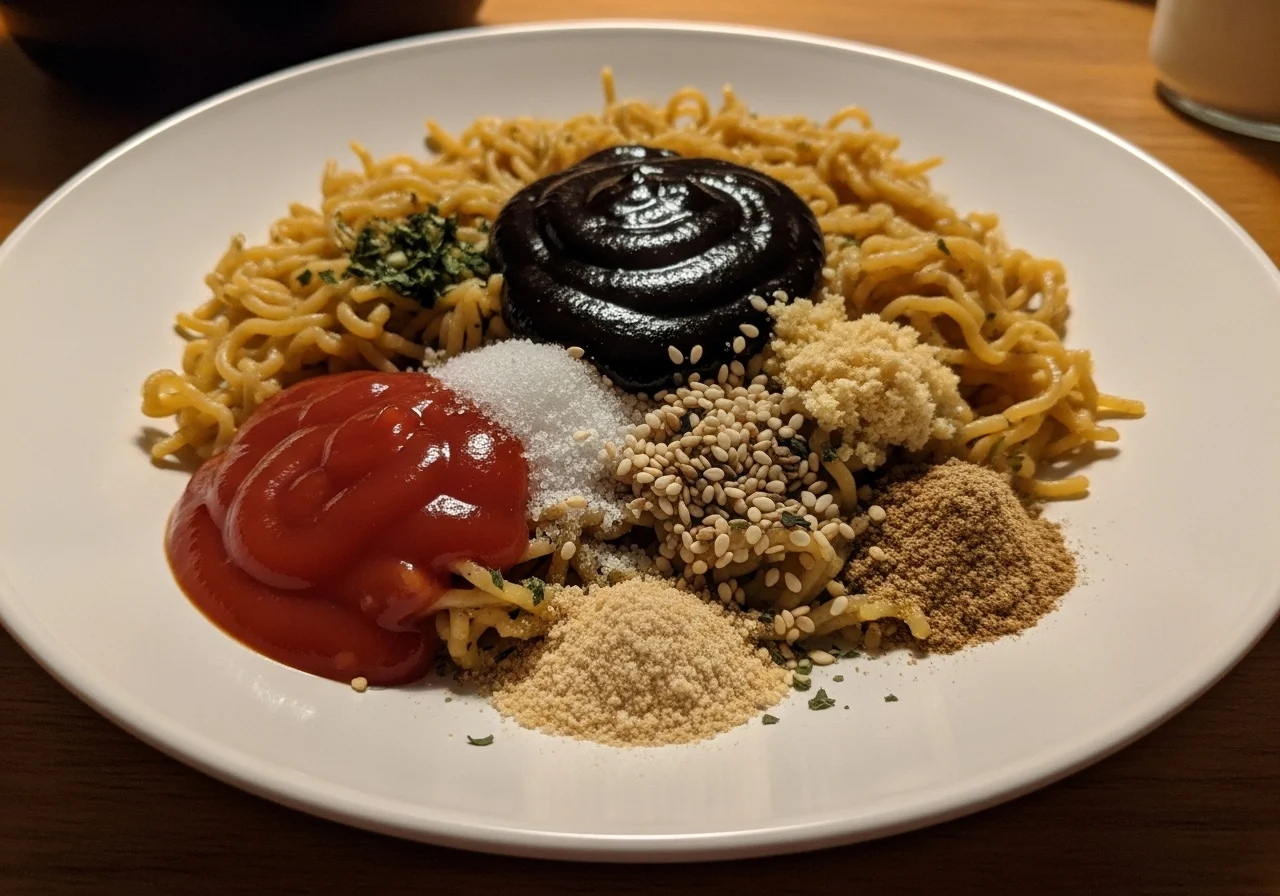
Gathering ingredients for this Homemade Yakisoba Sauce takes minimal effort. I’ve organized everything you need in this handy table:
| Ingredient | Amount | Notes |
|---|---|---|
| Worcestershire sauce | 3 tablespoons | The umami backbone |
| Soy sauce | 2 tablespoons | Use low-sodium if preferred |
| Oyster sauce | 2 tablespoons | Adds depth and richness |
| Ketchup | 2 tablespoons | Provides sweetness and tang |
| Sugar | 1 tablespoon | Brown sugar works too |
| Rice vinegar | 1 teaspoon | Balances the sweetness |
| Sesame oil | 1/2 teaspoon | Optional but recommended |
| Garlic powder | 1/4 teaspoon | Enhances savory notes |
| Ground ginger | 1/4 teaspoon | Fresh ginger works too |
Every ingredient in this Homemade Yakisoba Sauce serves a specific purpose. The Worcestershire sauce provides that characteristic tangy depth, while soy sauce adds saltiness and color. Meanwhile, oyster sauce contributes a subtle seafood sweetness that’s absolutely essential.
Ketchup might seem unusual in this Homemade Yakisoba Sauce, but trust me, it’s traditional and adds the perfect tomato-based sweetness. The sugar balances the salty components beautifully. Subsequently, the rice vinegar cuts through the richness with just enough acidity.
Substitutions & Variations
This Homemade Yakisoba Sauce adapts wonderfully to various dietary needs and ingredient availability. If you can’t find oyster sauce, hoisin sauce makes an excellent substitute with a slightly sweeter profile. Alternatively, use additional soy sauce combined with a touch of honey.
For a gluten-free version of this Homemade Yakisoba Sauce, swap regular soy sauce for tamari or coconut aminos. Most Worcestershire sauce contains gluten, so look for gluten-free versions widely available now. This modification doesn’t compromise the authentic taste whatsoever.
Mateo sometimes adds a pinch of red pepper flakes to our Homemade Yakisoba Sauce when we want extra heat. Similarly, a splash of mirin enhances the sweetness and adds complexity. For a vegan version, replace oyster sauce with mushroom-based vegetarian oyster sauce.
You can also experiment with honey instead of sugar in this sauce recipe. Additionally, fresh minced garlic and ginger create a more vibrant flavor than dried versions. However, the convenience of dried spices makes this Homemade Yakisoba Sauce truly weeknight-friendly.
If you’re looking for a comforting dish to pair with your Homemade Yakisoba Sauce, consider making some homemade biscuits and gravy. This classic recipe is a perfect complement to the savory flavors of yakisoba, and you can find it here.
Step-by-Step Instructions
Making this Homemade Yakisoba Sauce couldn’t be simpler. First, gather all your ingredients and a small mixing bowl. Having everything measured beforehand makes the process seamless.
Step 1: Combine all the liquid ingredients in a medium bowl. Add the Worcestershire sauce, soy sauce, oyster sauce, ketchup, and rice vinegar. Whisk these together until well blended.
Step 2: Add the sugar to your Homemade Yakisoba Sauce mixture. Whisk vigorously until the sugar completely dissolves. This usually takes about 30 seconds of stirring.
Step 3: Incorporate the sesame oil, garlic powder, and ground ginger. Mix thoroughly to ensure all the spices distribute evenly throughout the sauce. The aroma at this stage is absolutely incredible.
Step 4: Taste your Homemade Yakisoba Sauce and adjust seasonings as needed. Some prefer it sweeter, others saltier. This is your opportunity to customize the flavor profile to your family’s preferences.
Step 5: Transfer the finished sauce to an airtight container if not using immediately. Otherwise, proceed directly to cooking your yakisoba noodles. This Homemade Yakisoba Sauce works best when added during the final moments of stir-frying.
The entire process for this Homemade Yakisoba Sauce takes less than five minutes from start to finish. Consequently, there’s absolutely no reason to buy pre-made versions anymore. My daughters often make this themselves now, proving how foolproof the recipe truly is.
Pro Tips for Success
After making this Homemade Yakisoba Sauce countless times, I’ve learned several tricks that elevate the results. First, always dissolve the sugar completely before adding your noodles. Undissolved sugar crystals create an uneven sweetness that affects the final dish.
When using this sauce with noodles, add it off the heat. High temperatures can cause the sugars in your Homemade Yakisoba Sauce to burn and become bitter. Instead, remove your pan from the burner, toss in the sauce, then return briefly to heat.
Don’t oversauce your noodles. Start with less Homemade Yakisoba Sauce than you think necessary, you can always add more. Mateo always reminds me that properly sauced yakisoba should be glossy, not swimming in liquid.
Make a double batch of this Homemade Yakisoba Sauce whenever you’re mixing up a batch. The extra effort is minimal, and you’ll thank yourself later. Additionally, shake or stir the sauce before each use, as some settling naturally occurs.
For the most authentic flavor in your Homemade Yakisoba Sauce, use Japanese Worcestershire sauce (called “usutaa soosu”) if available. However, regular Worcestershire sauce works perfectly fine and is what I typically use.
Consider adding a touch of dashi powder to your Homemade Yakisoba Sauce for extra umami depth. Just 1/4 teaspoon makes a noticeable difference. Furthermore, letting the sauce sit for 30 minutes before using allows the flavors to meld beautifully.
To elevate your dessert game after enjoying your Homemade Yakisoba Sauce, try making homemade Twix bites. These sweet treats are a delightful way to end your meal, and you can learn how to make them here.
Storage & Reheating Tips
Proper storage extends the life of your Homemade Yakisoba Sauce significantly. Store it in an airtight glass jar or container in the refrigerator. Under these conditions, the sauce keeps beautifully for up to two weeks.
I always label my Homemade Yakisoba Sauce container with the date I made it. This helps me track freshness and ensures we use it while it’s at its peak. The sauce doesn’t typically freeze well due to separation issues upon thawing.
Before each use, give your refrigerated Homemade Yakisoba Sauce a good shake or stir. Some ingredient separation is completely normal and doesn’t indicate spoilage. The sauce should smell fresh and tangy, any off odors mean it’s time to make a new batch.
Since this Homemade Yakisoba Sauce contains no preservatives, always use clean utensils when scooping it out. Contamination shortens shelf life considerably. Additionally, keeping it in the coldest part of your refrigerator helps maintain quality.
What to Serve With This Recipe
While this Homemade Yakisoba Sauce shines with traditional yakisoba noodles, its versatility extends far beyond. We regularly use it to glaze grilled chicken thighs, creating an easy weeknight protein that my girls devour.
Stir-fried vegetables become extraordinary when tossed with this Homemade Yakisoba Sauce. Try it with bell peppers, cabbage, carrots, and snap peas. Moreover, it makes an excellent marinade for pork chops or beef strips before grilling.
My favorite way to use this sauce is with ramen noodles for a quick lunch. Additionally, it works wonderfully as a dipping sauce for gyoza or spring rolls. The Homemade Yakisoba Sauce also elevates simple fried rice to restaurant-quality status.
Mateo recently used this Homemade Yakisoba Sauce as a glaze for roasted Brussels sprouts, and they disappeared faster than ever before. Similarly, it makes an incredible burger sauce, adding Japanese-inspired flair to American classics. Furthermore, try it drizzled over okonomiyaki or takoyaki for authentic street food flavors.
For a complete Japanese-inspired meal, serve yakisoba noodles with this Homemade Yakisoba Sauce alongside edamame, miso soup, and cucumber salad. The combination creates a balanced, satisfying dinner that feels both comforting and special.
For a fun and easy appetizer, consider whipping up some pizza rolls in the air fryer. They pair wonderfully with the flavors of your Homemade Yakisoba Sauce, and you can find the recipe here.
FAQs
What does yakisoba sauce taste like?
This Homemade Yakisoba Sauce delivers a complex flavor profile that’s simultaneously sweet, tangy, and savory. The taste resembles a Japanese-style Worcestershire sauce with hints of tomato sweetness. It’s less thick than teriyaki but more complex than plain soy sauce, with umami notes from the oyster sauce creating depth.
Can I use this sauce for other dishes besides yakisoba?
Absolutely! This Homemade Yakisoba Sauce works beautifully as a marinade, glaze, or stir-fry sauce for various dishes. Use it with fried rice, grilled meats, roasted vegetables, or as a dipping sauce. Its versatility makes it a valuable addition to your condiment collection.
Is yakisoba sauce the same as teriyaki sauce?
No, Homemade Yakisoba Sauce differs significantly from teriyaki sauce. Yakisoba sauce has a tangier, more complex flavor with Worcestershire sauce as a base. Teriyaki is sweeter and thicker, made primarily from soy sauce, mirin, and sugar. They’re not interchangeable, though both are delicious in their own right.
How can I make my yakisoba sauce spicier?
Easily add heat to your Homemade Yakisoba Sauce by incorporating red pepper flakes, sriracha, or chili garlic sauce. Start with small amounts, 1/4 teaspoon of red pepper flakes or 1 teaspoon of sriracha. Mix well and taste, adjusting until you reach your desired spice level.
Can I make yakisoba sauce without oyster sauce?
Yes, you can modify this Homemade Yakisoba Sauce recipe without oyster sauce. Substitute with hoisin sauce, additional soy sauce mixed with a bit of sugar, or vegetarian mushroom sauce. While the flavor profile changes slightly, the sauce remains delicious and authentic-tasting.
Homemade Yakisoba Sauce is a staple in Japanese cuisine, known for its unique blend of sweet, savory, and tangy flavors. This sauce not only enhances stir-fried noodles but can also be used in various dishes, making it a versatile addition to any kitchen; learn more about its origins and uses in Japanese cuisine.
Nutrition Information (per serving)
This nutritional information applies to approximately 2 tablespoons of Homemade Yakisoba Sauce, which typically serves one portion of yakisoba noodles.
| Nutrient | Amount |
|---|---|
| Calories | 35 |
| Total Fat | 0.5g |
| Saturated Fat | 0g |
| Sodium | 680mg |
| Total Carbohydrates | 7g |
| Sugars | 5g |
| Protein | 1g |
Keep in mind that this Homemade Yakisoba Sauce serves as a condiment, so you’ll use it sparingly. The sodium content reflects typical soy sauce and Worcestershire sauce levels. For lower sodium versions, use reduced-sodium soy sauce and adjust other seasonings accordingly.
Making this Homemade Yakisoba Sauce has genuinely transformed our weeknight dinners. What started as fulfilling my daughter’s craving has become a family staple that we now can’t imagine living without. The satisfaction of creating authentic Japanese flavors in your own kitchen is remarkable, especially when it requires just minutes and simple pantry ingredients.
Homemade Yakisoba Sauce
Ingredients
Method
- Combine all the liquid ingredients in a medium bowl: Worcestershire sauce, soy sauce, oyster sauce, ketchup, and rice vinegar. Whisk until well blended.
- Add the sugar to the mixture and whisk vigorously until the sugar completely dissolves.
- Incorporate the sesame oil, garlic powder, and ground ginger. Mix thoroughly.
- Taste the sauce and adjust seasonings as needed.
- Transfer the finished sauce to an airtight container if not using immediately.
Notes
Or browse by category:
As an Amazon Associate I earn from qualifying purchases.